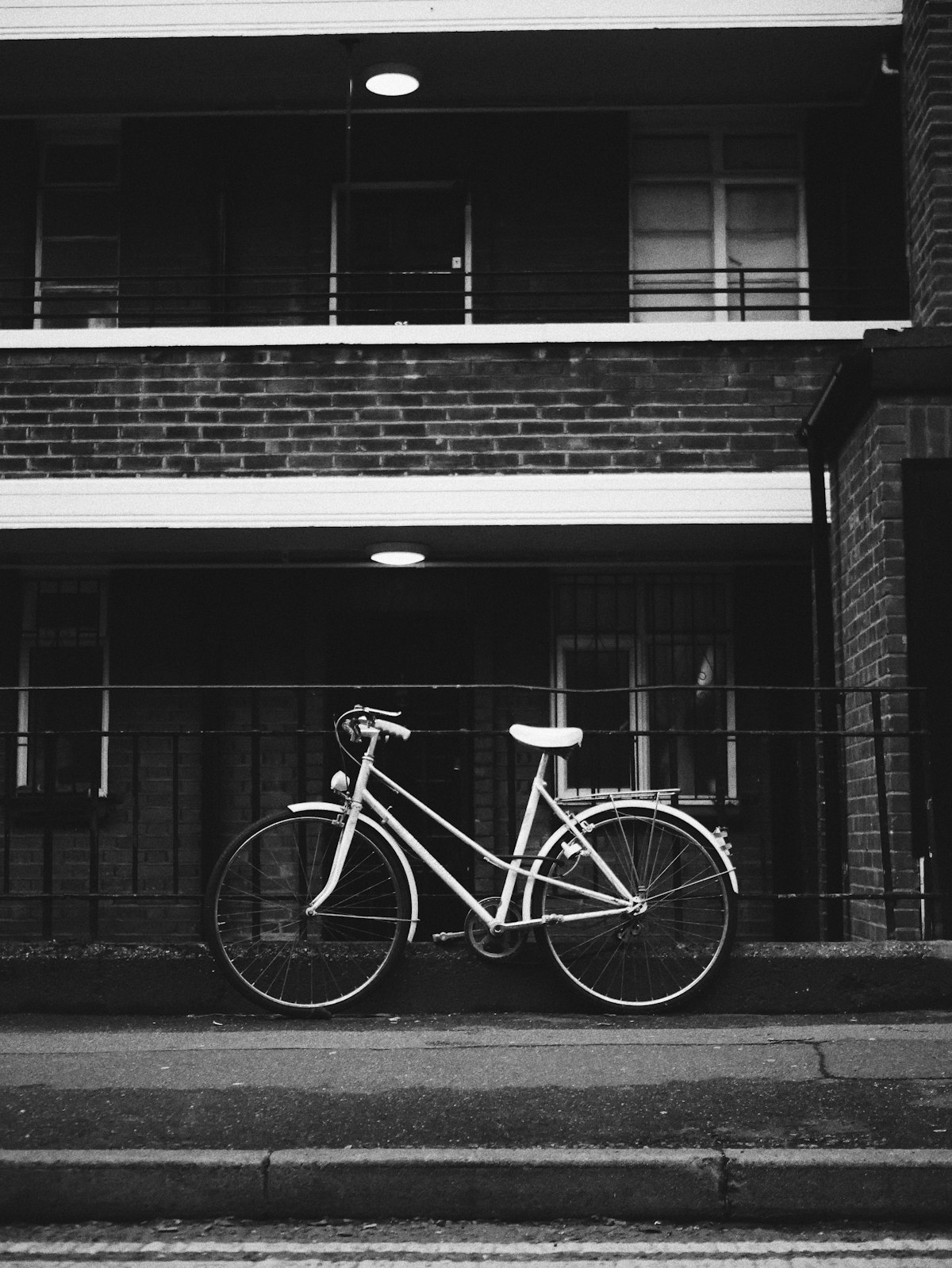
I’ve been a bike mechanic for 25 years. In that time, I’ve had the “my bike got stolen” conversation with customers roughly three hundred times. Maybe more. It’s always the same story: they locked it with a cable lock, or they locked it to something flimsy, or they “just ran inside for a minute.” Three hundred times. The details change, the ending doesn’t.
Your bike is going to get stolen if you don’t lock it properly. Not might. Going to. The only question is whether you’ve made it annoying enough that the thief moves on to the next bike.
Here’s everything I know about bike locks after a quarter century of watching them work and watching them fail.
Why Cable Locks Are Expensive Paperweights
I need to get this out of the way first because I still see people using cable locks and I still see bikes getting stolen because of them.
A cable lock is a steel cable with a lock on it. Bolt cutters defeat any cable lock made in about three seconds. I’ve watched security footage of this. The thief walks up, snips the cable, and rides away on your bike in under ten seconds total. Under ten seconds. That’s how much your cable lock buys you.
The thick ones with the braided steel jackets? Same result, takes maybe five seconds instead of three. The combination ones? A thief can decode most combination locks by feel in under a minute without cutting anything.
Cable locks have exactly one legitimate use: as a secondary lock for your front wheel when you’ve already secured the frame with a U-lock. That’s it. If a cable lock is your primary security, you don’t have security.
U-Locks: The Gold Standard
U-locks (also called D-locks) are rigid steel shackles that attach to a crossbar. They resist bolt cutters because there’s no leverage point for the cutters to grip. The thief needs an angle grinder, a hydraulic jack, or serious patience with a hacksaw.
The surprising truth about U-lock size: Smaller is more secure. A big U-lock gives a thief room to fit a hydraulic car jack inside the shackle and pop it open. A small U-lock leaves no room for a jack, gives less purchase for leverage attacks, and forces the thief toward an angle grinder, which is loud, sparks everywhere, and takes time. The Kryptonite Mini is smaller and lighter than the popular full-size models, and it’s harder to defeat.
Sheldon Brown, the legendary bike mechanic whose website is still the bible of practical cycling knowledge, had a specific technique: lock the rear rim and tire inside the rear triangle of the frame. The wheel cannot be pulled through the triangle, so even if the thief breaks whatever your lock is attached to, the bike is unrideable. You don’t need to loop the lock around the seat tube. The rear triangle does the work.
Face the keyhole downward so water doesn’t run into it and it’s harder to drill. Small details, but they matter over years of daily use.
The Locks I Recommend
Kryptonite Kryptolok Standard. The Everyday Workhorse
~$70. This is the lock I recommend to most people. Sold Secure Gold rated, 12.7mm hardened steel shackle, comes with a cable for the front wheel. It weighs about 3.5 pounds, which you’ll feel on your commute but won’t ruin your life.
I’ve seen this lock defeat bolt cutters in the real world. A thief tried to cut one outside my shop a few years back. Gave up after about 30 seconds of grinding. Left deep gouges in the shackle but it held. The bike was still there in the morning.
Downsides: The included cable is mediocre. If someone really wants your front wheel, they’ll cut through it. Upgrade to a thicker cable or use a second U-lock for the front wheel if your bike is worth protecting.
If angle grinders are your main concern, the Litelok X1 (~$180) has anti-grinder coating that defeats standard cutting blades testers needed a diamond disc and 3 minutes 44 seconds to get through it. That’s 3x longer than the Kryptonite New York. The diamond disc cost more than the lock in some tests.
Best for: Daily commuters, bikes under $1,000, moderate-theft areas.
Kryptonite New York Lock. The Heavy Deterrent
~$120. If your bike is worth over a thousand dollars, or you lock up in high-theft areas, this is the one. 16mm hardened steel shackle, Sold Secure Gold, weighs about 4.5 pounds. This lock is a commitment both in weight and in the message it sends to thieves.
The 16mm shackle defeats most bolt cutters available to the public. Professional-grade bolt cutters can handle it, but those are expensive, heavy, and conspicuous. Most bike thieves are opportunistic, not professional. They’ll see this lock and move on to the next bike with a cable.
In angle grinder cut tests, the Kryptonite New York lasted about 1 minute 9 seconds before the shackle was defeated. Both sides of the shackle need cutting (the double-lock mechanism), which doubles the time a thief needs. Most thieves won’t spend that long in public with sparks flying.
I’ve had one of these on my personal commuter for eight years. It’s scratched, dinged, and the keyhole is a little gritty. It still works perfectly. I’ve never had that bike stolen, even though I lock it up in some sketchy spots.
Downsides: It’s heavy. About 4.5 pounds feels like a lot when you’re carrying it. The shackle opening isn’t huge, so locking to thick poles or awkward rack configurations can be fiddly.
Best for: Expensive bikes, high-theft cities, anyone who wants to stop worrying about their lock.
ABUS Granit X-Plus 540. The European Import
~$130. ABUS doesn’t get enough love in the US market. The Granit X-Plus is Sold Secure Gold, 13mm hardened steel shackle, and the locking mechanism is smoother than anything Kryptonite makes. The key turns like it’s butter. After years of use, it still feels new.
The parabolic shackle shape makes it harder to get leverage attacks started. The disc-detainer lock mechanism is more resistant to picking than standard pin-tumbler locks.
Pro tip: ABUS offers keyed-alike service you can get multiple ABUS locks made to work with the same key. Order through an authorized ABUS dealer. Also, photograph the code card that comes with the lock (you’ll lose it). The daily-use key has a built-in light for unlocking in the dark.
Downsides: More expensive than the Kryptolok for similar security. Harder to find in US bike shops, usually needs to be ordered. The frame mount bracket is fiddly.
Best for: People who value build quality and smooth operation. Riders who’ve had Kryptonite locks and want to try something different.
OnGuard RockSolid. The Budget Beast
~$50. If you want Sold Secure Gold without spending a hundred bucks, this is your lock. 12mm hardened shackle, decent locking mechanism, comes with a cable. It’s not as refined as the Kryptonite or ABUS options, but it meets the same security standards.
The trade-off is build quality. The key feels cheap, the shackle doesn’t swing as smoothly, and the frame mount is plastic garbage that breaks within a month. But the lock itself does its job, and at this price, it’s hard to complain.
The RockSolid has a diamond coating on the shackle that deflects angle grinder blades testers needed multiple blades and significant time to get through it. Anti-theft protection covers up to $5,001 for qualifying road bikes. Five keys included, which is more than most locks give you.
Downsides: Cheap feel, terrible frame mount, keys that stick occasionally. You get what you pay for in refinement, even if the security is solid.
Best for: Budget-conscious riders, students, anyone who wants real security without the premium price.
The Sheldon Brown Method: How to Lock Your Bike Properly
Sheldon Brown was a bike mechanic and writer whose website remains the most practical cycling resource on the internet despite him passing away in 2008. His lock strategy is still the best advice I’ve ever seen on the subject.
The rear triangle technique: Pass your U-lock through the rear wheel, inside the rear triangle of the frame, around whatever you’re locking to. The lock doesn’t need to go around the seat tube. The rear wheel inside the triangle makes the bike unrideable the wheel can’t be pulled through the frame, so even if the thief breaks the rack or post, they can’t ride the bike away.
This technique works with smaller U-locks, which are both lighter and more secure. Win-win.
Lock right side toward the post: This makes it harder for a thief to access your drivetrain components. Quick-release wheels and derailleurs are easy to strip if a thief can reach them.
U-lock plus cable, not U-lock or cable: Use your U-lock for the frame and rear wheel. Run a cable from the U-lock through your front wheel. This combination is more than twice as secure as either lock alone because it requires two different tools bolt cutters for the cable and an angle grinder or jack for the U-lock. Most thieves carry one tool, not both.
Where You Lock Works More Than What You Lock With
You can have the best lock in the world and still get your bike stolen if you lock it in the wrong place.
Visibility: Lock your bike where people can see it. A thief working in a busy sidewalk is taking a bigger risk than one working in an empty alley. This sounds obvious, but I’ve watched people lock $2,000 bikes behind dumpsters where nobody walks.
Check the rack: Before you lock, grab the rack or post and shake it. If it moves, don’t lock to it. Thieves have been known to cut through bike racks and tape over the cuts to hide them. They come back at night, pull the rack apart, and take everything. Parking meters can be unbolted. Some signposts lift right out of the ground. Check before you trust.
Leave the heavy lock at work: If you commute to the same place every day, lock your U-lock to the rack at work when you leave. You don’t need to carry it home and back every day. Carry a lighter cable lock for quick errands on the way home. This is the strategy most experienced commuters use and it makes a huge difference in convenience.
Security Ratings: What They Mean
Sold Secure is the main independent testing organization. They test locks by attacking them with real tools for a set amount of time.
Sold Secure Bronze: Resists basic hand tools for a short time. Better than a cable lock, but not great. Fine for low-risk areas.
Sold Secure Silver: Resists more determined attacks with better tools. Good for moderate-risk areas.
Sold Secure Gold: Resists serious attacks with professional tools. This is what you want for daily commuting. Every lock I recommend above is Gold rated.
Sold Secure Diamond: Resists the most determined attacks with the best available tools. Overkill for most people, but if you have a $5,000 e-bike, maybe it’s worth it.
The ART rating system (from the Netherlands) is another standard. ART 2 stars is roughly equivalent to Sold Secure Gold. If you see either rating, you’re in good shape.
E-Bikes Need Better Locks
E-bikes are worth more and weigh more, which changes the lock equation.
Most e-bikes cost $1,500-$5,000. That’s a more attractive target than a $400 hybrid. You need a lock that matches the value of what you’re protecting. If your e-bike cost three grand, spending $120 on a Kryptonite New York is not optional.
E-bikes are also heavier, which means the thief can’t easily lift them over a rack or post. This helps but only if you’ve locked to something they can’t lift the bike over.
Consider a GPS tracker hidden in the frame or seat tube. Apple AirTag, Tile, or a dedicated bike GPS tracker. It won’t prevent theft, but it might help recover your bike afterward. Register your bike on Bike Index (bikeindex.org). it’s free and police check it when recovering stolen bikes.
When to Upgrade Your Lock
Locks don’t last forever. If your key sticks, the shackle is visibly bent or cracked, or the mechanism feels gritty even after lubrication, replace it. A lock that fails while you’re at work is worse than no lock, because you believed you were protected.
I replace my personal lock every five years or so, even if it seems fine. Springs wear out. Keyways get sloppy. The hardened steel can develop micro-fractures from repeated impacts. Five years of daily use is a reasonable lifespan for a quality U-lock.
Buy a Sold Secure Gold U-lock. The Kryptonite Kryptolok for most people, the New York if your bike is expensive or you live in a high-theft area. Add a cable for your front wheel. Lock using the Sheldon Brown rear triangle method. Check that whatever you’re locking to is solid. Leave the heavy lock at work if you commute.
None of this is complicated. None of it is expensive compared to replacing a stolen bike. I’ve watched three hundred people learn this lesson the hard way. Don’t be number three hundred and one.
[WPForms signup]
📱 Reddit | 🐦 Twitter | 📘 Facebook
Leave a Reply