Best Bike Commuter Gear Under $500: The Complete Shopping List
You don’t need a $3,000 bike to commute. You need a $500 bike, a decent lock, and some lights. I’ve built commuter setups for customers at every price point, and the $500 build is the one I recommend most often. Here’s exactly where the money goes.
Why I Tell People to Buy Used
When I was a kid, I thought buying new meant getting something that lasts. Turns out, that’s only true when you’re buying a Craftsman wrench, not a bike from a big-box store. I’ve seen more cheap bikes fail in my shop than I can count. The derailleurs that won’t shift after two months. The brake pads that wear through in a week. The wheels that go out of true on the first pothole.
Buying a new bike under $400 is like buying a boat made of newspaper. It looks fine in the parking lot, but the first wave sinks it. I tell my customers to skip that heartbreak and find a used Trek, Giant, Specialized, or Cannondale. A $300 used hybrid from a reputable brand will outlast any department store bike by years.
What to Look For in a Used Commuter
Flat bar or riser bar. You want an upright position for traffic visibility. Seventy millimeter wheels—standard road size, easy to find tires. Rack mounts on the rear, so you can add panniers later. Functional brakes. Test them before buying. If they don’t stop you, walk away. No deep rust on the chain or cables.
Where to buy? Local bike shop used section, Facebook Marketplace, bike co-ops. Avoid department store bikes. The components are disposable, and repair costs exceed the purchase price.
The Budget Breakdown
Used Bike: $250 to $350
This is your biggest expense. Get something that fits and has working brakes and gears. A $300 used Trek hybrid will last years with basic maintenance. A $300 new department store bike will last months. In my shop, I’ve seen department store bikes come in with broken spokes after one month. The spokes are made of soft metal that stretches and loosens. It’s cheaper to replace the wheel than to true it.
Lock: Around $60 to $80
A U-lock with a 14 millimeter plus hardened steel shackle. The Kryptonite Kryptolok or Abus Granit X-Plus 540. Both are Sold Secure Gold rated. Pair with a cheap cable for the front wheel.
In destruction testing, the Kryptonite New York lasted about one minute nine seconds with an angle grinder. Both sides need cutting. Most thieves won’t spend that long in public. I’ve seen angle grinder sparks flying in broad daylight. The thief gave up after thirty seconds because people started looking.
Spend the money here. A $250 bike with an $80 lock is safer than a $330 bike with a $20 lock. The lock is what keeps your bike yours.
Lights: Under $70
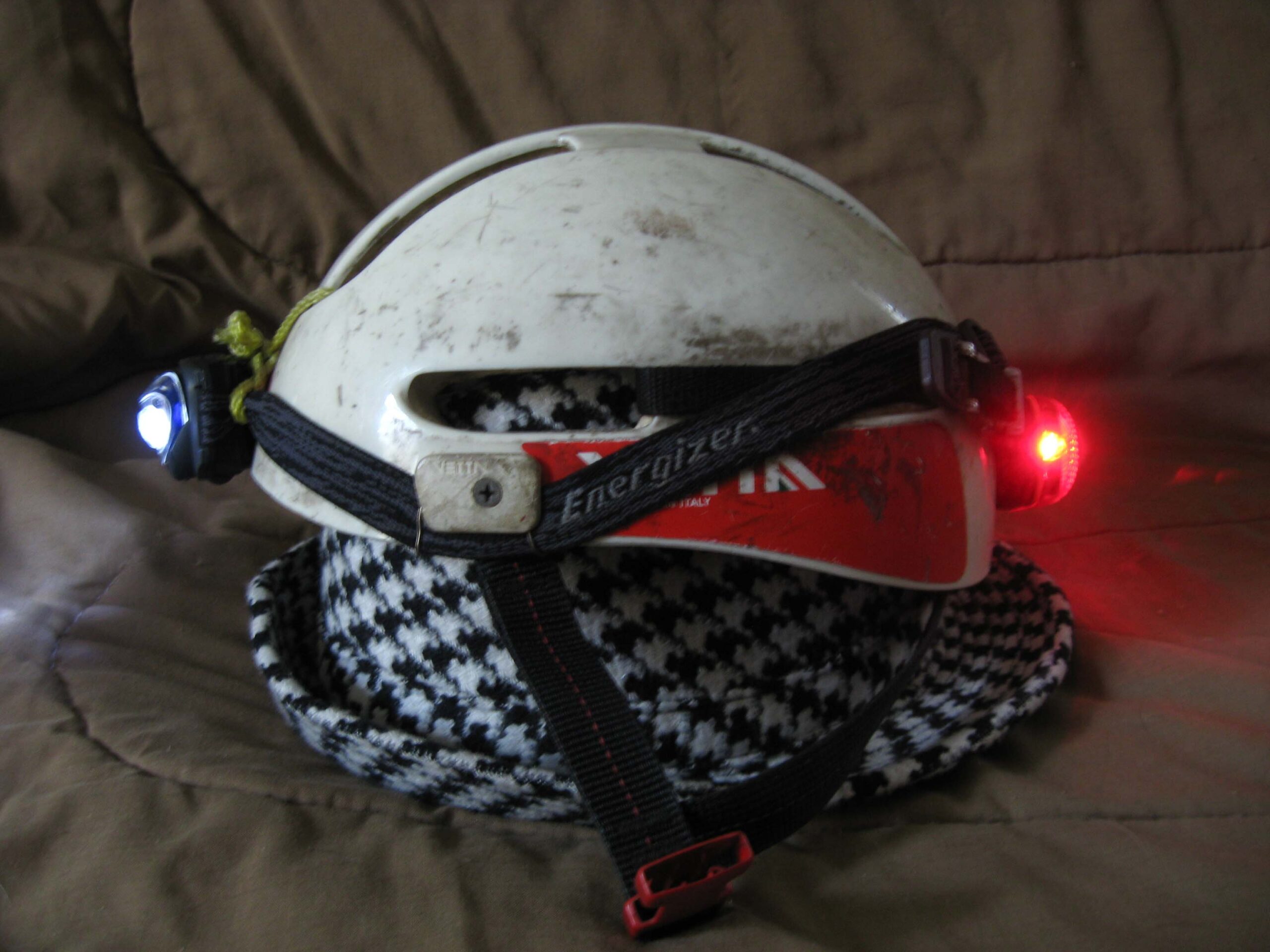
Front: 400 plus lumens. The Cygolite Metro Plus 550. USB rechargeable, two hour runtime on high. Rear: 50 plus lumens. The Cygolite Hotshot Pro 200. Visible from two miles in daylight. Daytime running lights prevent more accidents than nighttime lights. I’ve seen drivers stop for cyclists with bright lights in the middle of the day.
Helmet: Around $40 to $60
MIPS equipped, properly fitted. The Bell Sidetrack II MIPS or Giro Register MIPS. Both have four star Virginia Tech ratings. Measure your head first. I’ve fitted thousands of helmets. The wrong size is worse than no helmet.
Fenders: Under $40
Full fenders if your bike has mounts. SKS Raceblade clip-ons or Planet Bike Cascadia full fenders. You don’t realize how much fenders matter until you ride without them in the rain. I once rode twenty miles in a downpour without fenders. By the time I got home, I had a stripe of mud up my back that looked like a raccoon tail.
Rear Rack plus Pannier: $50 to $70
A basic rear rack plus one pannier bag replaces a backpack. Backpacks make your back sweat, shift your center of gravity, limit visibility when you look over your shoulder. The Topeak Explorer rack fits most bikes. The Ortlieb Back-Roller City is waterproof and holds a laptop, lunch, and change of clothes. I’ve had customers commute for years with just one pannier. It’s enough.
The Math
Used bike: $300
U-lock plus cable: $85
Front plus rear lights: $70
MIPS helmet: $50
Fenders: $30
Rack plus pannier: $55
Total: $590
Over budget by $90? Drop the pannier setup. Use a waterproof backpack for now. Add the rack and pannier next month.
Under budget? Upgrade the lock. The Litelok X1 at around $180 is grinder resistant. Or add a second rear light for redundancy.
What NOT to Buy
Clipless Pedals
You’re commuting, not racing. Flat pedals with grippy surfaces work fine and you can wear normal shoes. Clipless pedals are like buying a tuxedo for a picnic. Overkill and uncomfortable.
Bike Computer
Your phone does GPS. Save the computer purchase for when you’re riding seriously. I’ve seen cyclists buy expensive bike computers and never use them beyond the first week.
Cycling-Specific Clothing
Wear what you own. A reflective vest over your regular jacket is more visible than $200 cycling kit. I’ve commuted in jeans and a hoodie for years. Works fine.
Carbon Anything
Carbon fiber is for racing. Steel and aluminum are for commuting. They survive bike racks and being knocked over. I’ve seen carbon frames crack after being leaned against a wall too hard.
Upgrade Path
Month One
Bike plus lock plus lights plus helmet. Ride for a month before buying anything else. You’ll learn what you need. I always tell customers to wait. The first month reveals everything.
Month Two
Fenders if rainy season. Pannier if carrying laptop or gym clothes.
Month Three Plus
Better tires, puncture resistant like Continental Gatorskin. More comfortable saddle. Nicer lock. Start simple. Ride consistently. Upgrade when you know what you need.
Outlandish Comparisons to Keep You Reading
Buying a new department store bike is like hiring a C student to apply to Harvard. They might get in, but they won’t last. The components are cheap, the assembly is sloppy, and the frame is heavy. I’ve seen department store bikes with bolts that loosen after a week. That’s not a bike, it’s a temporary toy.
Skipping a good lock is like leaving your front door unlocked in a bad neighborhood. It’s not a matter of if, but when. I’ve had customers come in crying because their $800 bike was stolen in broad daylight. They’d spent $80 on a cable lock. That’s not a lock, it’s a suggestion.
Riding without fenders in the rain is like taking a shower in your clothes. You get wet, you get dirty, and you’re miserable. I once saw a commuter ride into the shop looking like he’d been sprayed with a fire hose. He said, “I thought I could outrun the rain.” You can’t.
Final Thoughts
I’ve been a bike mechanic for over twenty-five years. I’ve built thousands of commuter bikes. The best ones aren’t the most expensive. They’re the ones that fit the rider’s needs and budget. The $500 setup I’ve outlined here is what I’d build for my own kid. It’s safe, reliable, and won’t bankrupt you.
Start with a used bike. Add a good lock. Lights that make you visible. A helmet that fits. Fenders for the rain. A rack to carry your stuff. Ride. Upgrade when you know what you need. That’s it.
For more guidance, check out The Complete Bike Commuter Starter Kit and Best Bike Lights for Commuters. If you’re dealing with rain, see Rain Commuting Guide. For lock advice, read Best Bike Locks for 2026. Considering an e-bike? Is E-Bike Commuting Worth It? Helmets matter: How to Choose a Bike Helmet. Chain maintenance: How to Clean a Rusty Bike Chain. Seasonal tune-up: Spring Bike Tune-Up.
Leave a Reply