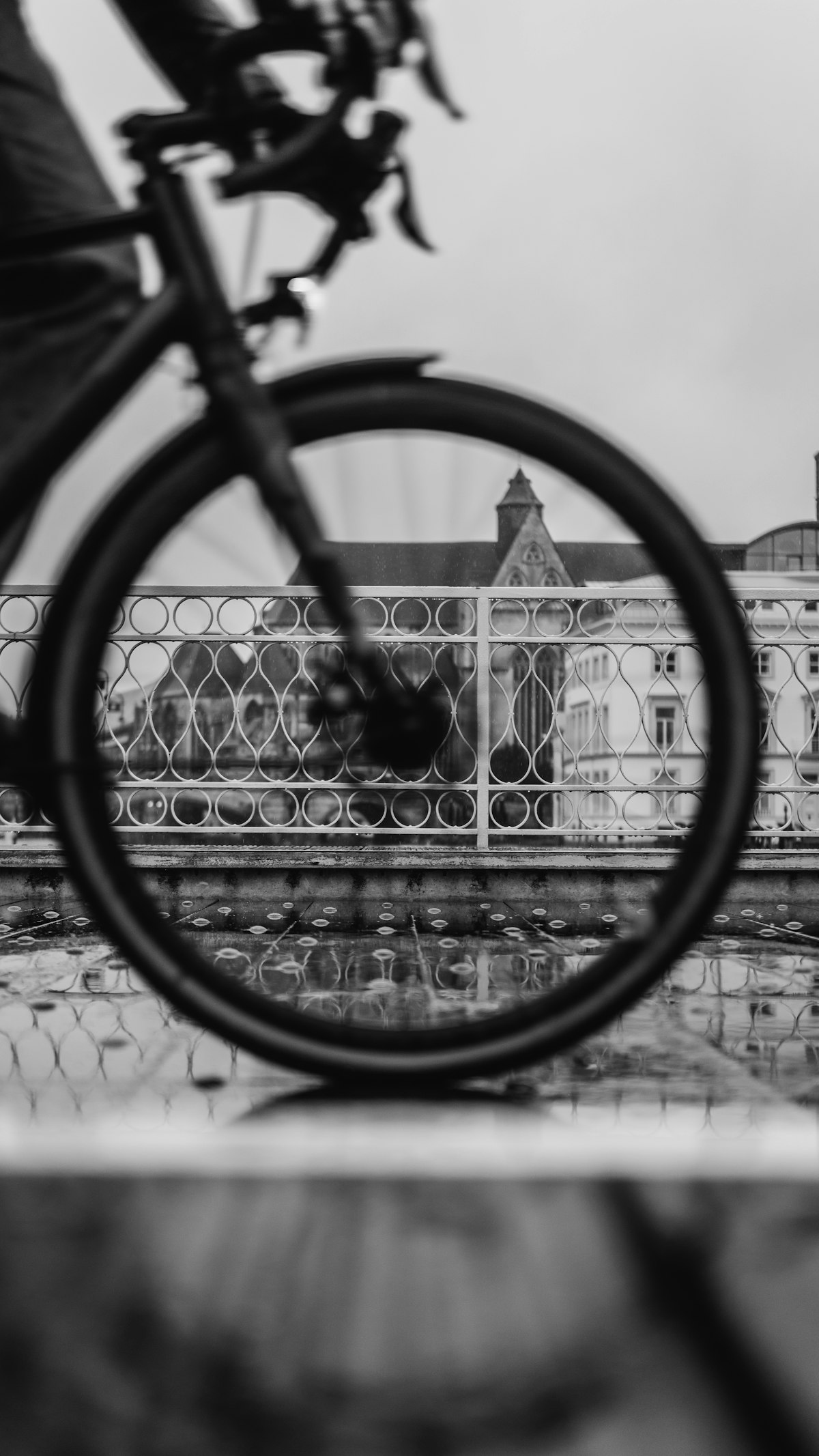
Every bike commuter has a story about the day they got caught in the rain without proper gear. Mine involves a white dress shirt, a surprise thunderstorm, and a meeting I walked into looking like I’d been dragged through a car wash. From the outside. While the car was moving.
That was fifteen years ago. I learned my lesson. And now I’m going to save you from learning it the hard way.
Rain commuting isn’t about avoiding the rain. It’s about being ready for it. Because if you only ride when it’s sunny, you’re a fair-weather commuter. And fair-weather commuters eventually stop commuting by bike altogether.
The Three Layers of Rain Defense
Layer 1: The bike. Fenders. Full coverage fenders. Not the sad little clip-on mudguards that spray water up your back like a fountain. Real fenders that cover at least 180 degrees of your wheel and extend close to the ground. This is non-negotiable. Without fenders, every puddle becomes a rooster tail aimed directly at your spine.
Layer 2: The gear. A waterproof jacket that breathes. Waterproof pants or at least shoe covers. Gloves that grip when wet. Lights because rain means reduced visibility and drivers are already not paying attention.
Layer 3: The bag. If your backpack isn’t waterproof, everything inside it is going to get soaked. A waterproof pannier or a pack cover costs around twenty bucks and saves you from discovering that your laptop bag is now an aquarium.
Rain Gear That Works
Budget Jacket: baleaf Rain Jacket
Under fifty bucks. Thousands of reviews averaging 4.5 stars. This is the rain jacket that every cycling forum recommends when someone says “I don’t want to spend two hundred dollars on a jacket I’ll only wear when it rains.”
It’s not fancy. It’s not breathable enough for hard efforts, you’ll sweat on climbs. But it keeps water out, it packs down small enough to stuff in a jersey pocket, and the reflective details are genuinely visible. For the price, and honestly even at twice the price, it’s hard to argue with.
I keep one stuffed in my bag from October through April. It’s been rained on probably a hundred times and it still works. The zipper feels like it cost about three cents to manufacture, but it hasn’t failed me yet.
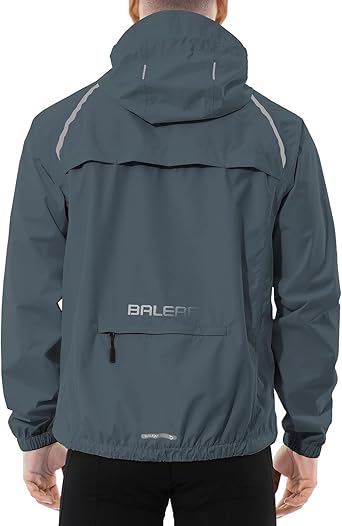
The good: Cheap, packs small, genuinely waterproof, reflective, 4.5 stars from thousands of reviews, multiple colors.
The annoying: Not breathable, so if you’re climbing hills you’re choosing between wet from rain and wet from sweat. The hood doesn’t fit well under a helmet. Zippers feel cheap because they are cheap.
Who should buy it: Budget commuters, occasional rain riders, anyone who needs a backup jacket they can forget about until they need it. If you ride in the rain less than once a week, this is all you need.
Check the baleaf Rain Jacket on Amazon
Premium Jacket: Showers Pass Elite III
Showers Pass has been making cycling-specific rain gear for decades and they’ve gotten annoyingly good at it. The Elite III is their flagship, and it shows. Three-layer waterproof-breathable fabric, fully seam-sealed, pit zips for ventilation, and a cut that’s designed for the riding position rather than standing upright like you’re modeling in a store window.
It’s PFAS-free, which is worth knowing if you care about what your waterproofing chemicals are doing to the environment. The reflective trim is subtle but effective, you won’t look like a traffic cone but drivers will see you.
The thing about Showers Pass is that their stuff lasts. I’ve got a Showers Pass jacket that’s been through four winters and it still beads water like the day I bought it. That’s worth paying for.
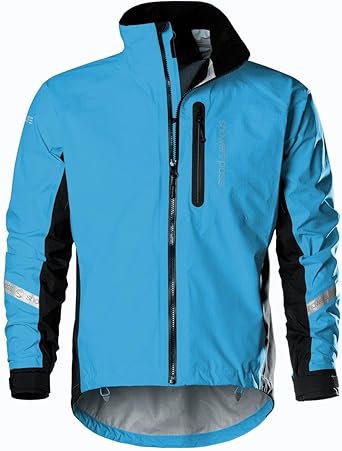
The good: Genuinely waterproof and breathable, cycling-specific fit, pit zips for when you’re working hard, PFAS-free, Showers Pass reputation.
The annoying: Expensive. The cycling fit means it’s not great for off-bike use, it looks like a cycling jacket because it is one.
Who should buy it: Daily commuters who ride rain or shine. Anyone who’s tired of choosing between being wet from rain and being wet from sweat. People who want gear that lasts more than one season.
Check the Showers Pass Elite III on Amazon
Fenders: Planet Bike Full Coverage
Seventy bucks for fenders might seem like a lot until you ride without them in the rain. The difference between riding with and without full fenders is the difference between arriving at work slightly damp and arriving at work looking like you went swimming in your clothes.
These are made from recycled plastic, which is nice. They fit most bikes with 700c wheels. They don’t rattle, which is more important than you’d think, a rattling fender will drive you insane on a long commute. And they keep water off you, the front one extends far enough down to catch the spray before it hits your feet, and the rear one covers enough to protect your back.
Installation takes patience. You’ll probably swear at least once. But once they’re on, they stay on.
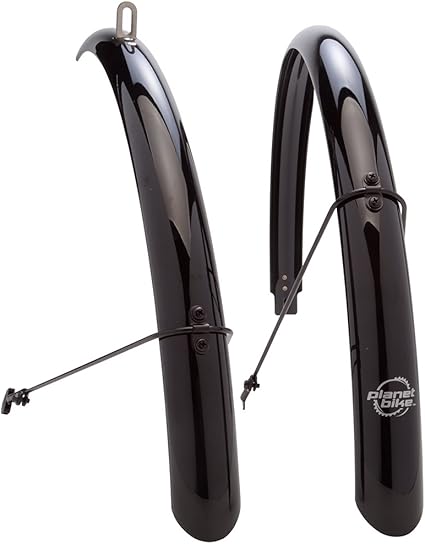
The good: Full coverage, recycled plastic, no rattle, fits most 700c bikes, solid build.
The annoying: Installation takes patience, like I said, you’ll swear. Some bike frames don’t have fender mounts, check before buying or you’ll be sad. The rear fender can interfere with rear racks on some bikes.
Who should buy it: Every single bike commuter. Period. Fenders aren’t optional if you ride in the rain. Stop pretending they are.
Check Planet Bike Fenders on Amazon
Rain Riding Tips From Someone Who’s Done It for 25 Years
Lower your tire pressure by 10 to 15 PSI. Softer tires have more contact patch, which means more grip on wet roads. You’ll roll slightly slower but you won’t slide out on a painted line or manhole cover, which is a mistake you only make once.
Avoid painted road markings. White lines, crosswalks, and road markings become ice rinks when wet. Cross them upright, not leaned over. This is where most wet-weather crashes happen, someone leans into a turn and their front wheel hits a painted line and just slides out. I’ve seen the aftermath more times than I’d like.
Brake earlier and more gently. Wet rims and wet brake pads have significantly less stopping power. Disc brakes are better but still reduced. Double your following distance. Triple it if the rain just started, the first ten minutes of rain are the slickest because the water mixes with road oil and dust before washing it away.
Lights are mandatory. Not optional. Mandatory. Rain reduces visibility for drivers to about half of what it is on a dry day. A bright front light and a flashing rear light make you visible from far enough away that drivers have time to react. If you’re commuting without lights in the rain, you’re gambling with your life and that’s not hyperbole.
Clean your chain after riding in rain. Rain washes grit into your chain and drivetrain. A quick wipe and re-lube takes two minutes and prevents your chain from turning into a rust-covered mess. If you skip this step, you’ll be replacing your chain in a month instead of a year. Our guide on cleaning a rusty chain covers this if you’ve already let it go too far.
Bring a change of clothes. Even with the best gear, you’ll arrive slightly damp. Having dry clothes at work is the difference between a productive day and sitting in wet pants for eight hours pretending you’re fine. Keep a full change at the office if you can. It weighs nothing and takes up one drawer.
The Reality
Get fenders first. Then a jacket. Then lights if you don’t already have them. That’s the order of priority. A bike with fenders and a fifty-dollar baleaf jacket beats a bike with no fenders and a three-hundred-dollar Showers Pass every single time.
Rain commuting isn’t miserable if you’re prepared for it. It’s kind of fun once you stop caring about getting wet and start appreciating the empty bike lanes and the smug satisfaction of passing cars stuck in traffic while rain pounds their windshields.
Ride in the rain. Your bike doesn’t melt. Neither do you. Probably.
Found this useful? Share it with a fellow rider.
🚲 Get LaneSpotter in Your Inbox
Weekly riding tips, gear deals, and no-BS reviews. No spam, unsubscribe anytime.
Join 500+ riders who skip the marketing fluff
Leave a Reply